lunedì 26 febbraio 2018

COSA SONO LE FAKE NEWS E PERCHÉ TUTTI NE PARLANO. UNA GUIDA UTILE

Salve a tutti, è da un po’ che non ci vediamo. Come state?
Oggi vorrei parlarvi di un qualcosa che attanaglia la nostra società sempre più frequentemente e che influenza il nostro modo di pensare e di agire: le cosiddette “fake news”.


Ma cosa sono? E perché tutti ne parlano?
Sono notizie volutamente false, bufale create ad arte, per convincere persone in buonafede a diffonderle sui principali social network (Facebook, Twitter, WhatsApp, Instagram).
Si creano a scopi diversi: il più noto è quello elettorale. Si propagano informazioni false o parzialmente vere ma ingigantite o distorte, in una campagna di disinformazione architettata ad hoc, per screditare un avversario politico e dirottare i voti, condizionando così l’opinione pubblica. L’altro scopo è il profitto: far diventare virali notizie false grazie alla condivisione di massa e alla diffusione in rete consente di guadagnare soldi con la pubblicità che si ottiene di conseguenza in proporzione al numero di contatti.
Le fake news sfruttano infatti l’effetto “bolla” che Facebook e gli altri social network producono quando ci fanno vedere contenuti personalizzati, provenienti da fonti non sempre attendibili che confermano i nostri pregiudizi e su cui molti utenti cliccano senza neppure chiedersi da dove arrivino.


Come fare per capire se una notizia è falsa?
Spesso è complicato e non sempre è immediato, ma vediamo qualche piccola accortezza da seguire:
- Controllare l’URL: spesso non ce ne accorgiamo, ma il sito su cui stiamo cliccando è una copia di uno più famoso, tipo “La Gazzetta della Sera”, “Rebubblica”, “Il Fatto Quotidaino”;
- Leggere la pagina “Chi Siamo”: molti siti che diffondono le fake news spesso hanno un disclaimer in cui indicano che si tratta di un sito di satira;
- Occhio alle dichiarazioni: se provengono da una persona nota, basta selezionare la frase e lanciare una ricerca su Google tra virgolette. In questo modo si può controllare se le stesse parole sono state riprese anche da altre fonti; in caso contrario, meglio approfondire;
- Seguire i link: per vedere se effettivamente ti porta alla fonte che dice di linkare oppure no; in generale, è meglio essere diffidenti degli articoli che hanno pochi (o nessun) link;
- Fare una ricerca inversa delle immagini: basta andare su Google Immagini e caricare un’immagine sospetta per scoprire se è stata già pubblicata altrove o se si riferisce a un altro evento.

Diverse sono le azioni che si stanno mettendo in campo per tentare di arginare la diffusione delle notizie false in rete.
Di recente Facebook ha lanciato un servizio di segnalazione delle notizie false. Google ha invece deciso di colpire le testate produttrici di false notizie, bloccando la propria pubblicità sui loro domini.
In Europa, infine, diversi governi hanno lanciato proposte di legge per arginare il fenomeno: la Germania vuole introdurre multe fino a 50 milioni di euro per i siti che non rimuovono notizie diffamatorie o calunniose (il provvedimento non riguarda le “notizie false” in genere, ma solo alcune tipologie); nella Repubblica Ceca è stata creata un’unità governativa per timore di influenze russe in campo informativo. Anche in Italia è stata presentata una proposta di legge contro le fake news che però è stata giudicata come “pericolosa” sia da alcuni esponenti politici che da attivisti per le libertà digitali.
Parallelamente stanno prendendo piede iniziative di “educational fact-checking” con l’obiettivo di diffondere la cultura della verifica delle fonti nei contesti scolastici e familiari.
A questo scopo l’ associazione Factcheckers , nata nel 2016 per promuovere l'educational factchecking in Italia con un target mirato su studenti, docenti e genitori, ha realizzato una guida interattiva per diffondere la cultura della verifica delle fonti tra i più giovani. La guida è disponibile anche in formato infografica da scaricare (qui in formato jpg) o attraverso una serie di social card per Facebook e Twitter.
Sul sito dell’International Factchecking Day è poi disponibile uno schema di lezione(tradotto anche in Italiano) che i docenti possono scaricare per programmare una lezione sul tema, nella propria scuola. Sempre su questo sito si trovano una serie di risorse in inglese per valutare l’attendibilità di un sito webfoto e videoaccount Twittervoce di Wikipedia.
In italiano il sito Valigia Blu ha tradotto la guida redatta da Claire Wardle su First Draft News: la si può trovare qui Facile dire fake news. Guida alla disinformazione. 

E allora mi raccomando, prestiamo attenzione quando leggeremo la prossima notizia e proviamo a non cadere nelle mani di chi vuole manipolare a tutti i costi la nostra intelligenza. L’informazione è bella se condivisa, l’importante è che sia consapevole.
#Mollichellontheroad


WHAT ARE THE FAKE NEWS AND WHY EVERYONE TALKS ABOUT THEM. A USEFUL GUIDE


Hi everyone, it's been a while since we've seen each other. How are you?
Today I want to talk about something that is gripping our society more and more frequently and that affects our way of thinking and acting: the so-called "fake news".


But what are they? And why everyone talks about them?
They are deliberately false news, hoaxes created up here, to convince people in good faith to spread them on the main social networks (Facebook, Twitter, WhatsApp, Instagram).
They are created for different purposes: the best known is the electoral one. Fake information, either partially true but magnified or distorted, is propagated in an ad-hoc disinformation campaign designed to discredit a political adversary and hijack votes, thus conditioning public opinion. The other purpose is the profit: make viral false news thanks to mass sharing and the diffusion on the net allows you to earn money with the advertising that you get in proportion to the number of contacts.
In fact, fake news exploits the "bubble" effect that Facebook and other social networks produce when they show us personalized content, coming from not always reliable sources that confirm our prejudices and on which many users click without even asking where they came from.


How to understand if a news is a fake?
It is often complicated and not always immediate, but let's see some small precautions to follow:
- Check the URL: often we do not notice it, but the site we are clicking on is a copy of a more famous one, like "La Gazzetta della Sera", "Rebubblica", "Il Fatto Quotidaino";
- Read the "About Us" page: many sites that spread fake news often have a disclaimer indicating that it is a satire site;
- Watch out for statements: if they come from a famous person, just select the phrase and launch a search on Google in quotes. In this way it is possible to check whether the same words have been taken from other sources; otherwise, better to deepen;
- Follow the links: to see if itreally takes you to the source that says to link or not; in general, it is better to be wary of articles that have few (or no) links;
- Do a reverse search of images: just go to Google Images and upload a suspicious image to find out if it has already been published elsewhere or if it refers to another event.

There are several actions that are being put in place to try to stem the spread of fake news on the net.
Facebook has recently launched a fake news reporting service. Google has instead decided to hit the newspapers producing false news, blocking its advertising on their domains.
In Europe, finally, several governments have launched legislative proposals to curb the phenomenon: Germany wants to introduce fines of up to 50 million euros for sites that do not remove defamatory or libelous news (the provision does not concern "fake news" in general , but only some types); in the Czech Republic a governmental unit was created for fear of Russian influences in the information field. Also in Italy a bill was presented against the fake news, but it was judged as "dangerous" by some politicians and by activists for digital freedoms.
At the same time, "educational fact-checking" initiatives are taking place with the aim of spreading the culture of verifying sources in school and family contexts.
For this purpose the Factcheckers association, founded in 2016 to promote educational factchecking in Italy with a target on students, teachers and parents, has created an interactive guide to spread the culture of the verification of sources among the youngest. The guide is also available in infographics to download (here in jpg format) or through a series of social cards for Facebook and Twitter.
On the website of the International Factchecking Day there is also a lesson scheme (also translated in Italian) that teachers can download to plan a lesson on the topic, in their school. There are also on this website a number of resources in English to assess thereliability of a website, photos and videos, Twitter accounts, Wikipedia entry.
In Italian, the Valigia Blu website has translated the guide written by Claire Wardle on First Draft News: you can find it here  Facile dire fake news. Guida alla disinformazione.

So please, pay attention when we read the next news and try not to fall into the hands of those who want to manipulate our intelligence at all costs. Information is beautiful if shared, the important thing is that it is aware.
#Mollichellontheroad

lunedì 12 febbraio 2018

San Valentino tra storia e leggenda


Mancano pochi giorni al 14 febbraio e siamo tutti pronti ad essere più innamorati che mai, ma vi siete mai chiesti com’è nata tale ricorrenza?
La sua origine coincide con il tentativo della Chiesa cattolica di «cristianizzare» il rito pagano per la fertilità. Per gli antichi romani febbraio era il periodo in cui ci si preparava alla stagione della rinascita. A metà mese, fin dal quarto secolo a.C., iniziavano le celebrazioni dei Lupercali, per tenere i lupi lontano dai campi coltivati. I sacerdoti di questo ordine entravano nella grotta in cui, secondo la leggenda, la lupa aveva allattato Romolo e Remo, e qui compivano sacrifici propiziatori in onore del Dio della fertilità Lupercus. Contemporaneamente, lungo le strade della città veniva sparso il sangue di alcuni animali. I nomi di uomini e donne che adoravano questo Dio venivano inseriti in un’urna e poi, dopo essere stati mischiati, un bambino estraeva i nomi di alcune coppie che per un intero anno avrebbero vissuto in intimità affinché il rito della fertilità fosse concluso. 
I padri precursori della Chiesa, decisi a mettere fine a questa pratica diffusa, contraria alla morale cristiana, vollero trovare un santo degli innamorati per sostituire l’immorale Lupercus. Nel 496 d.C. Papa Gelasio annullò la festa pagana decretando che venisse seguito il culto di San Valentino.
San Valentino, nato a Interamna Nahars, l’attuale Terni, nel 176 d.C. e morto a Roma il 14 febbraio 273, era un vescovo romano che era stato martirizzato. Egli dedicò la vita alla comunità cristiana e alla città di Terni dove infuriavano le persecuzioni contro i seguaci di Gesù. Fu consacrato vescovo della città nel 197 dal Papa San Feliciano, poi divenne il protettore dell’amore in tutto il mondo: proteggeva gli innamorati, li guidava verso il matrimonio e li incoraggiava a mettere al mondo dei figli. La letteratura religiosa descrive il santo come guaritore degli epilettici e difensore delle storie d’amore, soprattutto se infelici. Si racconta, per esempio, che abbia messo pace tra due fidanzati che litigavano, offrendo loro una rosa o che sia stato giustiziato perché aveva celebrato il matrimonio tra la cristiana Serapia e il legionario romano Sabino, che invece era pagano. La cerimonia avvenne in fretta, perché la giovane era malata. E i due sposi morirono, insieme, proprio mentre Valentino li benediceva.
Da questa leggenda si può arrivare ad un’associazione con l’amore romantico contemporaneo. Secondo una tra le tesi più accreditate e meno controverse, San Valentino sarebbe stata introdotta come festa degli innamorati grazie allo scrittore inglese Geoffrey Chaucer (1343 – 1400), che nel suo poema «Parlamento degli uccelli» associa la ricorrenza al fidanzamento di Riccardo II d’Inghilterra con Anna di Boemia. In ogni caso in Francia e Inghilterra, nel Medioevo, si riteneva che a metà febbraio iniziasse l’accoppiamento degli uccelli: evento che si prestava a far consacrare il 14 febbraio come la festa degli innamorati.
Si arriva così allo più recente scambio di «Valentine», bigliettini d’amore con le sagome dei simboli dell’amor romantico (cuori, colomba, Cupido). La più antica «Valentine» di cui si abbia traccia risale al XV secolo, e fu scritta da Carlo d’Orléans, allora detenuto nella Torre di Londra dopo la sconfitta alla battaglia di Agincourt (1415). Carlo si rivolge alla moglie con le parole: «Je suis déjà d’amour tanné, ma très douce Valentinée». A metà Ottocento negli Stati Uniti tal Esther Howland iniziò a produrre biglietti di San Valentino su scala industriale. Ed è così che si arriva ai giorni nostri in cui la tradizione dei biglietti amorosi è diventata purtroppo secondaria rispetto allo scambio di scatole di cioccolatini, mazzi di fiori o regali. 
#Mollichellaontheroad


Valentine's day between history and legend


Just a few days to February 14th  and we are all ready to be more in love than ever, but have you ever wondered how this anniversary was born?
Its origin coincides with the Catholic Church's attempt to "Christianize" the pagan rite for fertility. For the ancient Romans, February was the time when there was the preparation for the rebirth season. In the middle of the month, since the fourth century B.C., Lupercal celebrations began, to keep wolves away from cultivated fields. The priests of this order entered the cave where, according to the legend, the she-wolf had nursed Romulus and Remus, and here they made propitiatory sacrifices in honor of the God of fertility Lupercus. At the same time, the blood of some animals was shed along the streets of the city. The names of men and women who worshiped this God were placed in an urn and then, after being mixed, a child extracted the names of some couples who would live in intimacy for a whole year so that the fertility rite was concluded.
The forerunner fathers of the Church, determined to put an end to this widespread practice, contrary to Christian morality, wanted to find a saint of lovers to replace the immoral Lupercus. In 496 d.C. Pope Gelasius canceled the pagan festival by decreeing that the cult of Saint Valentine was followed.
Saint Valentine, born at Interamna Nahars, the current Terni, in 176 A.D. and died in Rome on February 14th 273, was a Roman bishop who had been martyred. He dedicated his life to the Christian community and to the city of Terni, where persecutions against the followers of Jesus were raging. He was consecrated bishop of the city in 197 by Pope San Feliciano, then became the protector of love all over the world: he protected the lovers, he guided them towards marriage and encouraged them to bring children into the world. Religious literature describes the saint as a healer of epileptics and defender of love stories, especially if unhappy. It is said, for example, that he put peace between two engaged couples who quarreled, offered them a rose or was executed because he had celebrated the marriage between the Christian Serapia and the Roman legionary Sabino, who was instead pagan. The ceremony took place quickly, because the young woman was ill. And the two spouses died together, just as Valentine blessed them.
From this legend we can reach an association with the contemporary romantic love. According to one of the most credited and less controversial theses, Valentine would have been introduced as a celebration of lovers thanks to the English writer Geoffrey Chaucer (1343 - 1400), who in his poem «The Parliament of Fowls» associates the recurrence of Richard II of England’s engagement with Anna of Bohemia. In any case, in France and England, in the Middle Ages, it was believed that in mid-February the mating of the birds began: an event that lent itself to consecrating February 14th as the celebration of lovers.
Thus we arrive at the most recent exchange of «Valentine», love cards with the shapes of the symbols of romantic love (hearts, dove, Cupid). The oldest «Valentine» traced back to the fifteenth century, was written by Charles of Orleans, then held in the Tower of London after the defeat at the Battle of Agincourt (1415). Charles turns to his wife with the words: «Je suis déjà d’amour tanné, ma très douce Valentinée». In the mid-nineteenth century in the United States, Esther Howland began producing Valentine's Day cards on an industrial scale. And this is how we arrive to the nowadays in which the tradition of love cards has become, unfortunately, secondary compared to the exchange of boxes of chocolates, bouquets of flowers or gifts.
#Mollichellaontheroad 

domenica 28 gennaio 2018

Come vestirsi bene a quasi 30 anni


Anche voi come me siete stufe di sentirvi dire puntualmente, ogni volta che fate shopping, “ma sei impazzita? Non hai più l’età per indossare quella gonna o quelle scarpe?” Oppure “sì, sarebbero state perfette se solo avessi avuto 10 anni in meno!” Ed ogni volta che sentite queste parole, vi viene un colpo al cuore perché è vero, avete quasi 30 anni, ma in realtà ve ne sentite appena 20?
Vediamo allora come vestirsi a quasi 30 anni senza incappare in errori che vi facciano sembrare vestite come una teenager datata oppure troppo “agée” con queste semplici regole:
1) È giunto il momento di abbandonare le felpe (io vi confesso di non averle mai indossate). Puntate invece su caldi e avvolgenti maglioni di lana e morbide bluse pronte a nascondere anche qualche chilo di troppo.
2) Niente ombelico scoperto e vita bassa: bye bye adolescenza… È stato davvero bello conoscerti, ma dobbiamo voltare pagina ora e preferire pantaloni e gonne a vita alta abbinati a crop tops. Per essere altamente chic e sentirci sempre giovani.
3) Sì agli stivali alti (se vi entrano e vi stanno bene… Lo ammetto vi invidio profondamente se è così!!!), ai tronchetti, alle scarpe con i tacchi e chi più ne ha ne metta. Come non sentirsi irrimediabilmente sexy con 12 cm di tacco ai piedi? Davvero volete continuare a preferire le vostre Converse logorate?
4) No ai cartoon: addio Hello Kitty, Winnie the Pooh, Mickey Mouse e tutti gli altri personaggi Disney. Vi abbiamo voluto davvero bene, ma ora non possiamo più vedervi neanche sul pigiama. Ma ci rivedremo sicuramente, in caso di prole!
5) No alla minigonna, compagna di una vita. Sì alle longuette.. Vi accogliamo volentieri nel nostro armadio per essere raffinate e cool!
6) Ed infine, veniamo agli accessori. Niente stravaganze ed eccessi. Ricordiamoci che abbiamo 30 anni, siamo diventate grandi e soprattutto siamo donne raffinate. Quindi non dimentichiamo di mettere mai in mostra la nostra sobrietà e la nostra eleganza. Ma se poi proprio non ce la facciamo a non indossare quella collana vistossima piena di paillettes che proprio non passa inosservata chi ci dice che non possiamo farlo? Basta semplicemente focalizzare tutta l’attenzione su di lei e non indossare altri accessori!
Io ho imparato una cosa: vestirsi a 30 anni o quasi è bellissimo. Perché puoi continuare ad indossare un sacco di cose che già avevi (i mom jeans strappati, quanto li adoro!), basta solo declinarle in maniera diversa per essere sempre bon ton ed elegante. Ed a questo ci pensano capi-spalla, bluse, borse, scarpe ed accessori. E poi hai una buona scusa per fare shopping… Non possiamo desiderare niente di meglio! Non trovate?
#Mollichellaontheroad


How to be well dressed at almost 30 years


Even you, like me, are tired of hearing you say punctualy, every time you go shopping, "but are you crazy? You no longer have the age to wear that skirt or those shoes?" Or "yes, they would have been perfect if only you had 10 years less!" And every time you hear these words, there is a blow to the heart because it's true, you have almost 30 years, but in reality you are feeling just 20 years old?
So let's see how to dress at almost 30 years old without running into mistakes that make you look dressed as a dated teen or too "agée" with these simple rules:
1) It’s time to leave behind the sweatshirts (I’m confessing I have never worn them). Instead, focus on warm wraparound wool sweaters and soft blouses ready to hide even a few extra pounds.
2) No bellybones discovered and low waist: bye bye adolescence, it was really nice to meet you, but we have to turn the page now and prefer pants and skirts with a high waist combined with crop tops. To be highly chic and always feel young.
3) Say yes to the high boots (if they fit you and you look well with them... I admit I deeply envy if so!!!), the ankle boots, shoes with heels, and so on and so forth. How can you not feel hopelessly sexy with 12 cm of heel at your feet? Do you really want to continue to prefer your worn out Converse?
4) No to the cartoon: say goodbye to Hello Kitty, Winnie the Pooh, Mickey Mouse and all the other Disney characters. We really loved you, but now we cannot even see you on your pajamas anymore. But we will see each other again, in case of offspring!
5) No to the miniskirt, partner of our life. Yes to the longuette... We welcome you in our closet to be chic and cool!
6) And finally, let's get to the accessories. No extravagances and excesses. Let's remember that we are 30 years old, we have grown up and above all we are chic women. So let's not forget to show off our sobriety and elegance. But if we really cannot do not wear that really flashy necklace full of sequins that just does not go unnoticed who tells us that we cannot do it? Just simply focus all the attention on her and do not wear other accessories!
I have learned one thing: dressing at 30 or almost is beautiful. Because you can continue to wear a lot of things you already had (the ripped mom jeans, how much I love them!), you just need to decline them in a different way to be always good and elegant. And outerwears, blouses, bags, shoes and accessories think to this. And then you have a good excuse to go shopping... We cannot wish for anything better! Do not you think?
#Mollichellaontheroad

giovedì 18 gennaio 2018

SALDI INVERNALI


I saldi invernali sono iniziati oramai da qualche settimana in tutta Italia. Tanto attesi e tanto sponsorizzati, sono davvero così utili? Ho fatto un giro in diversi negozi sparsi per il nostro Paese e, devo essere sincera, sono rimasta molto delusa. Ho trovato infatti poca convenienza oltre a poca disponibilità di capi.
È vero che siamo ancora alle prime settimane, ma non mi pare giusto illudere i consumatori con gigantografie con su scritto “-50%” o addirittura “-70%” e poi entrare nei negozi e notare che lo sconto in moltissimi casi non raggiunge nemmeno il 20%. Vi sembrerà strano, ma avrei addirittura preferito che il capo in questione non fosse scontato in modo tale da non avere la sensazione di essere presa in giro.
Forse sono stata solamente sfortunata e mi auguro di potermi rifare in queste ultime settimane che ci aspettano ancora. Non vorrei mai perdere il titolo di “shopping addicted” perché credetemi è davvero triste uscire a mani vuote da un negozio. Non ci sono proprio abituata e vorrei che rimanesse un’eccezione isolata.
A voi come sta andando invece?
A presto!
#Mollichellaontheroad


WINTER SALE


Winter sales have started now for a few weeks throughout Italy. So expected and so much sponsored, are they really so useful? I have gone for a walk in several stores scattered around our country and, being honest, I was very disappointed. In fact, I found little convenience as well as little availability of clothes.
It is true that we are still in the first weeks, but I do not think it is right to deceive consumers with blow-ups containing the words "-50%" or even "-70%" and then enter the shops and notice that the discount in many cases does not even reach the 20%. It may seem strange to you, but I would have even preferred that the item in question should not be taken for granted in such a way as not to have the sensation of being mocked.
Maybe I was just unlucky and I hope to be able to do over these last weeks that are still waiting for us. I would never lose the title of "shopping addicted" because, believe me, it's really sad to go out empty-handed from a store. I'm not really used to it and I would like it to remain an isolated exception.
How are you going instead?
See you soon!
#Mollichellaontheroad

sabato 13 gennaio 2018

MUST HAVE DI STAGIONE: LE CALZE

Hei girls, oggi voglio parlarvi di un accessorio fondamentale che adoro: le calze.
Amate ed odiate dalle fashioniste vere e proprie, rappresentano per me il punto di partenza per ogni mio outfit invernale. Già perché, essendo super freddolosa, non riesco proprio a capire come facciano le varie modelle ed it-girls di turno ad andare in giro con le loro cosce al vento in pieno inverno, con la neve ed il diluvio universale.  
Quindi non disperate, ma fate come me. Siate glamour concentrando tutta l’ attenzione sulle calze. Vediamo quali sono i modelli più in da indossare subito in questo inverno 2018.


#Mollichellaontheroad


CALZE A RETE
Le calze a rete sono un must have per questo autunno inverno 2017-2018. Pensate per una donna che vuole osare, sono difficili da abbinare soprattutto nei look quotidiani, ma sicuramente di tendenza!


CALZE CON I POIS
Io le trovo adorabili e le indosso quotidianamente. Danno quel tocco in più a qualsiasi look, anche il più semplice.


CALZE CON APPLICAZIONI IN RILIEVO
Per chi non ama essere banale e non vuole passare inosservata. Io adoro queste con il fiocco, ma anche quelle con i glitter.


CALZE A FANTASIA
Via libera a stelle, cuori,
farfalle, fiori. Per un look mai banale. 


SEASON MUST HAVE: THE TIGHTS


Hei girls, today I want to tell you about a fundamental accessory that I love: tights.
Loved and hated by the real  fashionistas, they represent for me the starting point for my winter outfit. Yes, because, being super nesh, I just cannot understand how the various models and shift it-girls go around with their thighs in the wind in the middle of winter, with snow and the great flood.
So do not despair, but do as I do. Be glamorous by focusing all your attention on stockings. Let's see what are the must have models to wear immediately in this winter 2018.


#Mollichellaontheroad


FISHNET TIGHTS
The fishnet tights are a must have for this fall winter 2017-2018. Designed for a woman who wants to dare, they are difficult to combine especially in everyday looks, but certainly trendy!


TIGHTS WITH POLKA DOT
I find them adorable and I wear them every day. They give that special touch to any look, even the simplest.


TIGHTS WITH TEXTURE APPLICATIONS
For those who do not like being trivial and do not want to go unnoticed. I love these with the bow, but also those with glitter.


FANTASY TIGHTS
Green light for stars, hearts,
 butterflies, flowers. For a never trivial look.

martedì 9 gennaio 2018

Be brave, be bold, be beautiful, be you.

E rieccomi… In questi giorni sono stata assente e ve ne chiedo scusa, ma sono state davvero delle giornate intense. Questo blog però è sempre al centro dei miei pensieri, tant’è vero che sono stata presa dalla pianficazione di nuove ed accattivanti sorprese per voi. Ciò mi ha rubato molto tempo nei giorni scorsi, ma ora sono tornata da voi più pronta che mai e carica di nuove emozioni.
Come vi ho già detto nel post precedente, spero che il 2018 sia l’anno della mia maturità, non solo in senso anagrafico (eh già, i 30 anni si avvicinano sempre di più) e delle certezze che porti alla mia vita un po’ di stabilità e tante nuove opportunità ed ambizioni. Ma per fare ciò ci vuole coraggio.
In questi giorni di riflessione e di preparativi per riprendere al meglio la mia attività dopo un po’ di meritato riposo, ho capito infatti che avere coraggio è fondamentale nella vita. Non dobbiamo mai smettere di inseguire i nostri sogni ed accontentarci di quello che la vita ci offre.
Ricordiamoci sempre che “dietro ogni impresa di successo c’è qualcuno che ha preso una decisione coraggiosa”. Non dimentichiamolo mai e facciamo che diventi il nostro motto per la vita.
A presto,
#Mollichellaontheroad


And here I'm back again... These days I was absent and I apologize for this, but they were really busy days. But this blog is always at the center of my thoughts, so much so that I was taken from the planning of new and attractive surprises for you. This stole me a lot of time in the past few days, but now I'm back to you more ready than ever and full of new feelings and emotions.
As I have already told you in the previous post, I hope that 2018 is the year of my maturity, not only for the registery office (eh yes, 30 years are getting closer and closer) and of certainties that lead to my life a bit of stability and many new opportunities and ambitions. But doing this takes courage.
In these days of reflection and preparation to get back at the best for my business after a little well-deserved relax, I realized that having courage is essential in life. We must never stop chasing our dreams and settle for what life offers to us.
Let us always remember that "behind every successful challenge there is someone who has reached a courageous decision". Let's never forget it and let it become our motto for life.
Soon back to you,
#Mollichellaontheroad

lunedì 1 gennaio 2018


Il 2018 è appena arrivato, lasciando dietro le spalle un anno che per me è stato caratterizzato dall’impegno e della consapevolezza. Il 2017 è stato per me l’anno della crescita e della scoperta di me stessa che mi ha portato il coraggio e la forza di aprire un blog mettendo in gioco tutta me stessa, di percorrere ancora più strada nel mio cammino di impegno politico e lavorativo. È stato un anno di successi, ma anche di sconfitte che mi hanno accompagnato giorno dopo giorno insieme ai miei punti fermi, quelli in cui posso rifugiarmi sempre: i miei affetti, la mia famiglia, il mio compagno, i miei amici e tutti coloro a cui voglio bene e che a me ci tengono. Le mie costanti, le mie variabili fisse.
Questo anno nuovo sarà ricco di sfide, di continui banchi di prova e di riconferme, ma io sono pronta ad accoglierle con il sorriso e la forza che mi contraddistinguono da sempre e che mi hanno reso quella principessa guerriera che sono oggi, a quasi 30 anni.
Con l’augurio che il 2018 sia l’anno della mia maturità, non solo in senso anagrafico, e delle certezze che porti alla mia vita un po’ di stabilità e tante nuove opportunità ed ambizioni.
Buon anno nuovo a tutti… che possa farvi incontrare nuove opportunità sulla vostra strada, trasformare in gioie i dispiaceri, i sogni in realtà e tutti gli sforzi in successi!
Auguri, buon 2018!
#Mollichellaontheroad


2018 has just arrived, leaving behind a year that for me has been characterized by commitment and awareness. 2017 has been for me the year of growth and discovery of myself that has brought me the courage and the strength to open a blog throwing my hat in the ring, to go even further on my way of political and working commitment. It has been a year of successes, but also of defeats that have accompanied me day after day together with my fixed points, those in which I can always take refuge: my loved ones, my family, my partner, my friends and all those who I love and care about me. My constants, my fixed variables.
This new year will be full of challenges, of continuous testing and reconfirmation, but I am ready to welcome them with the smile and the strength that have always distinguished me and that made me that warrior princess I am today, almost 30 years old.
With the hope that 2018 is the year of my maturity, not only for the registery office, and of certainties that bring to my life a bit of stability and many new opportunities and ambitions.
Happy New Year to all... that can make you meet new opportunities on your way, turn into joy sorrows, dreams in reality and all efforts in success!
Best wishes, happy 2018!
#Mollichellaontheroad

domenica 31 dicembre 2017

CAPODANNO ROMANTICO: IDEE E SUGGERIMENTI

Ed eccoci giunti al grande giorno. Vediamo gli ultimi suggerimenti prima di correre a prepararci per aspettare la mezzanotte.

Outfit n. 1: lo trovi qui

Outfit n. 2: lo trovi qui

Outfit n. 3: lo trovi qui  


Che dire, non sono stupendi?
Bene, ora siamo pronti per accogliere questo 2018 nel modo migliore!
#Mollichellaontheroad


 ROMANTIC NEW YEAR’S EVE:  IDEAS AND SUGGESTIONS


And here we are at the big day. Let's see the last tips before rushing to get ready to wait for midnight.

Outfit n. 1: find it here

Outfit n. 2: find it here

Outfit n. 3: find it here 


What to say, are not they wonderful?
Well, now we are ready to welcome this 2018 in the best way!
#Mollichellaontheroad

sabato 30 dicembre 2017

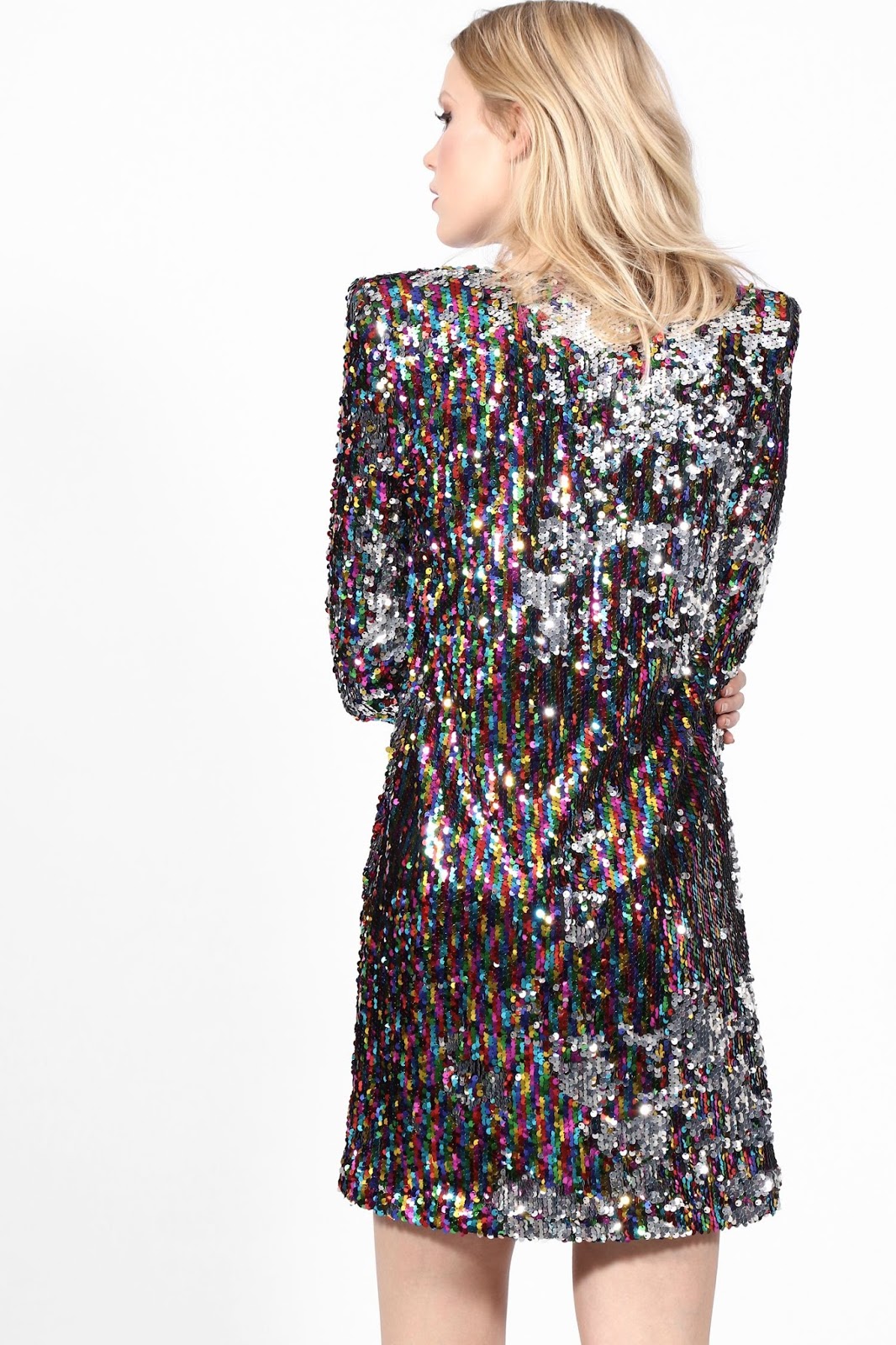
CAPODANNO IN DISCOTECA: SCEGLI IL TUO LOOK

Cosa c’è di più bello che brillare ed essere perfetta per una sera?
Vediamo insieme alcune idee di look per Capodanno.

Outfit n. 1: lo trovi qui

Outfit n. 2: lo trovi qui

Outfit n. 3: lo trovi qui  

Che ne pensate?
Vi aspetto domani con gli ultimi suggerimenti!
#Mollichellaontheroad


NEW YEAR’S EVE IN DISCO: CHOOSE YOUR LOOK


What's more beautiful than shine and be perfect for one night?
Let's see some ideas for New Year’s Eve looks.


Outfit n. 1: find it here

Outfit n. 2: find it here


Outfit n. 3: find it here


What do you think about them?
I wait for you tomorrow with the latest suggestions!
#Mollichellaontheroad

venerdì 29 dicembre 2017

CAPODANNO IN MONTAGNA: GLI OUTFIT PERFETTI


Ed ecco, come promesso, vediamo insieme alcuni outfit per trascorre il Capodanno in montagna.


Outfit n. 1


Outfit n. 2

Outfit n. 3 

Non li trovate fantastici?
Non perdetevi i prossimi suggerimenti domani!
#Mollichellaontheroad


NEW YEAR'S EVE IN THE MOUNTAINS: THE PERFECT OUTFITS


And here, as promised, let's see together some outfits to celebrate the New Year’s Eve in the mountains.


Outfit n. 1

Outfit n. 2

Outfit n. 3 


Do not you find them fantastic?
Do not miss the next tips tomorrow!
#Mollichellaontheroad

Buon anno!

Auguro a tutti che il 2019 sia un anno di riscatto in cui tutti i desideri, anche quelli impossibili, divengano possibili. Basta crederc...